Bowie, Maryland
Deck Resurfacing in Bowie, MD
Deck Resurfacing in Bowie, Maryland, with published price ranges up front, the yard, the footings, and the design settled on site, and one written figure before any work begins.
Bowie, Maryland
Deck Resurfacing in Bowie, Maryland, with published price ranges up front, the yard, the footings, and the design settled on site, and one written figure before any work begins.
Deck resurfacing replaces the boards you walk on and keeps the frame underneath, when the frame deserves keeping. That judgment call is the whole service. We resurface decks across Bowie, and the first job is never pulling boards. It is getting under the deck with a light and deciding honestly whether the structure below has years left in it. Plenty of Bowie decks look tired on top and stand solid underneath. Others hide problems new boards would only cover up.
A frame earns resurfacing when its joists are sound, its ledger board is properly attached and flashed, its posts and footings are stable, and its beams show no deep rot. Surface boards, by contrast, are expected to wear out, and splinters on top say little about the bones below.
Certain findings end the conversation. Rot in the ledger board, which ties the deck to the house, is the serious one, because that connection carries the whole structure. Soft joists, cracked beams, and footings heaved in Bowie clay also point toward fuller work. Original decks on Belair homes and 1990s builds in Woodmore and Fairwood are reaching the end of structural life in many cases, yet a well built frame from that era can still test sound. Testing beats guessing.
Most homeowners choose between fresh pressure treated wood and composite at this stage. Composite over a sound wood frame is a common Bowie choice, since it ends the sanding and staining cycle. Railings often join the scope, rebuilt while the surface is off and framing is easy to reach, and shaded stair stringers deserve a hard look while everything is open, because stringers in permanent shade rot quietly and carry people daily. Deck building in Maryland is MHIC governed home improvement work, and resurfacing can fall under county permits through Prince George's County DPIE depending on structural scope, stated as a general market fact.
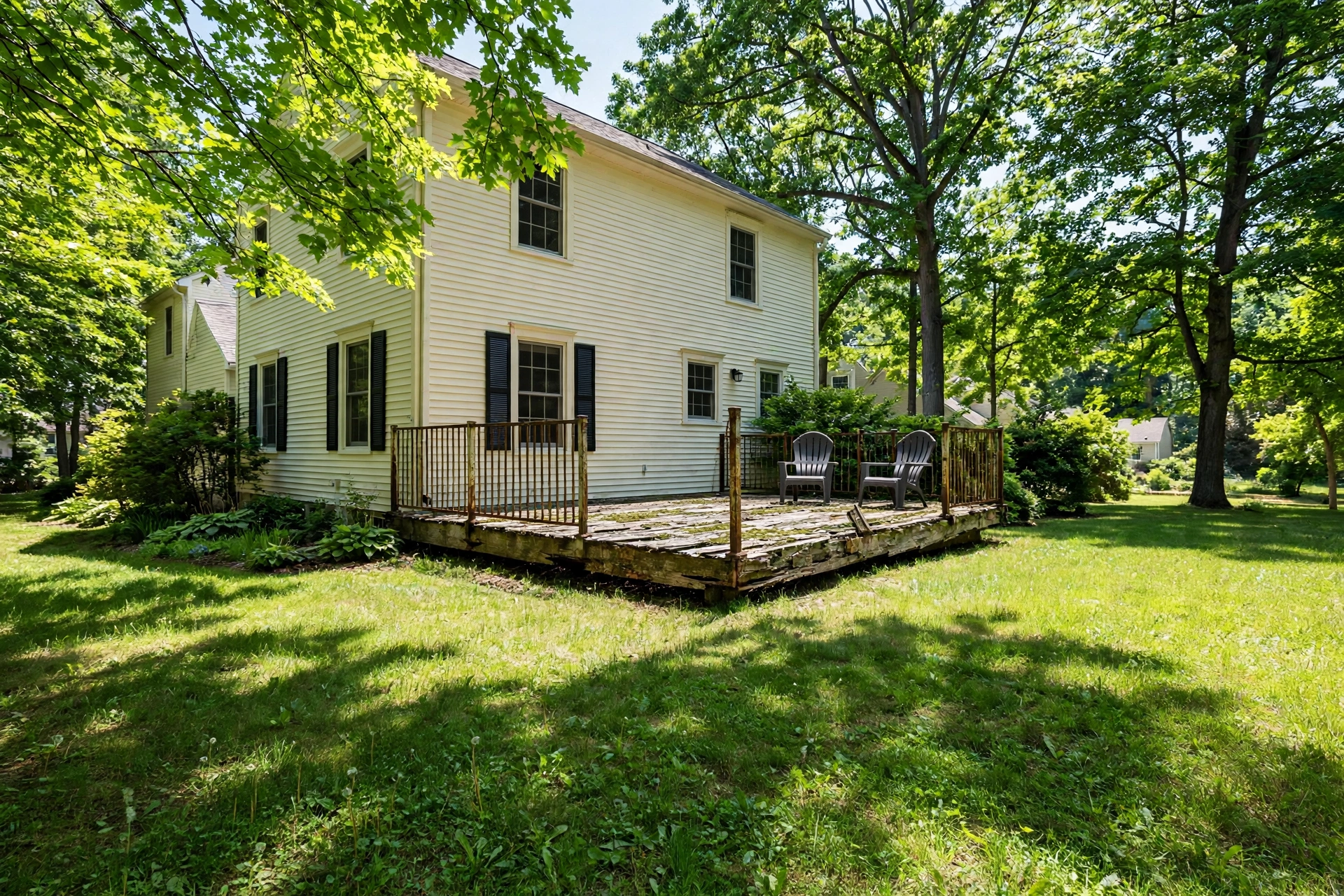
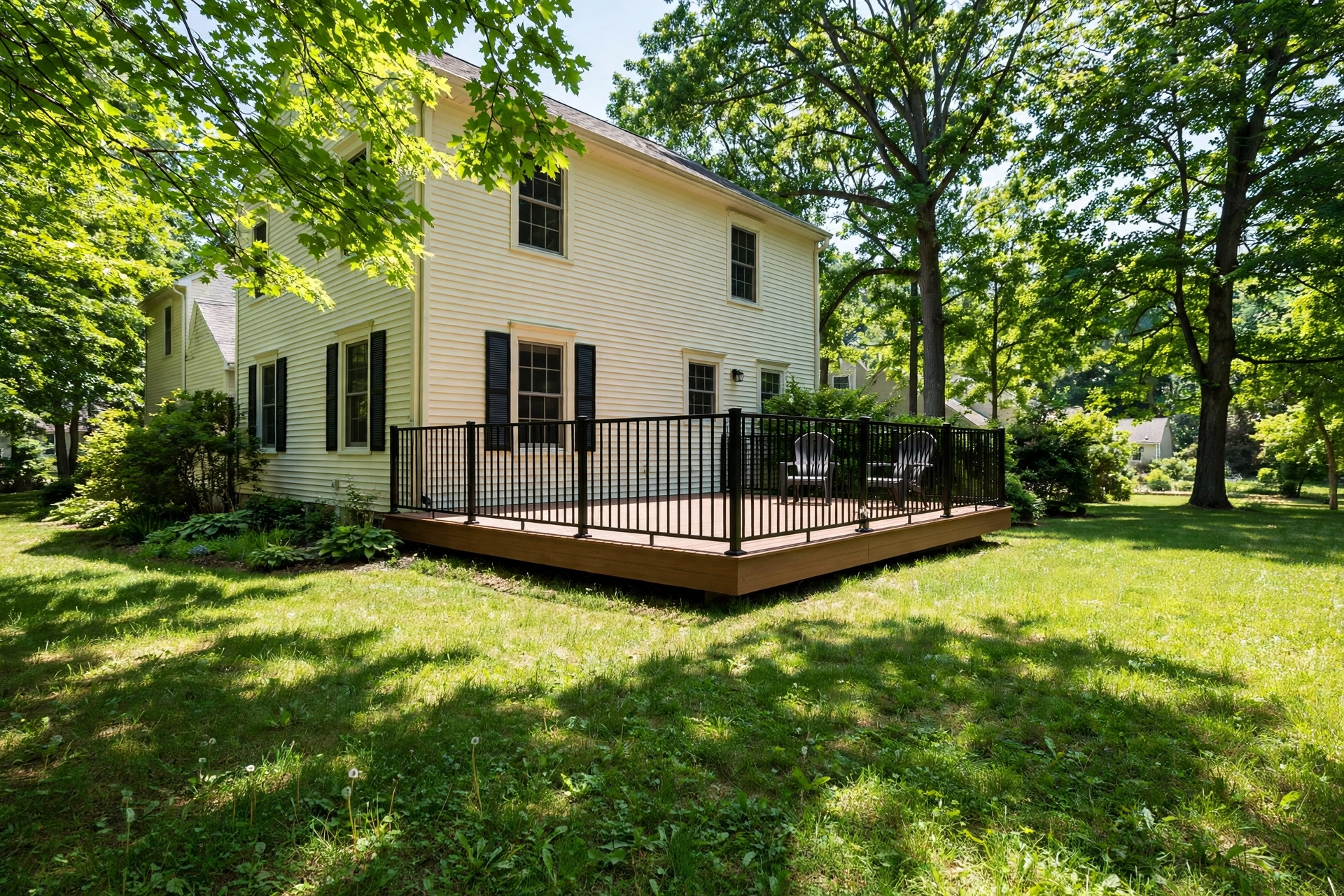
A South Bowie deck had splintered, cupped boards that made bare feet impossible, but inspection underneath found sound joists, a well flashed ledger, and stable footings. We stripped the old surface, fitted composite boards with hidden fasteners, and rebuilt the railing with closer baluster spacing. The stair treads were replaced after early rot was found in one shaded stringer, which was sistered with new lumber.
What you keep decides what you pay. Resurfacing keeps a sound frame and footings, so published ranges for this service run $6,800 to $13,900, under build figures in the published guides: pressure treated wood decks at $35 to $55 per square foot installed, composite decks at $55 to $90 per square foot, and typical deck projects at $15,000 to $25,000 in published figures. No Bowie company publishes a price list, so those are published figures, labeled as such. Size and material set most of it. The firm number follows the under deck inspection, where shaded stringers get checked, not photos.
Start with the quote form at the bottom of this page, and tell us the deck size and age. The site visit is mostly spent underneath, probing joists and the ledger and checking posts and footing lines. Then we give you the verdict straight. If the frame earns new boards, we scope the resurfacing. If it does not, we explain which members failed and what the right scope looks like instead.
Published ranges for deck resurfacing in our scope run $6,800 to $13,900. Published guides put full wood decks at $35 to $55 per square foot and composite at $55 to $90 per square foot, which is why keeping a sound frame saves money. Size, material, and railing or stair work set your figure.
Joists, ledger, beams, posts, and footings all have to test sound, and the ledger connection is the most important single check. It cannot be judged from the top surface, which is why our visit includes a hands on inspection underneath.
Yes, that is one of the most common reasons to resurface. A sound wood frame accepts composite boards with the right fasteners and spacing, ending the recurring sanding and staining cycle.
Small areas, such as one stair stringer or a short joist section, can usually be repaired within the job. Widespread ledger or beam rot changes the scope, and we stop and talk through options rather than covering damage.
Resurfacing usually runs days to about a week for a typical Bowie deck, since footings and framing are already in place. A full replacement takes considerably longer.
It depends on scope. Surface only and structural work are treated differently under county rules, deck work in Maryland is MHIC governed home improvement, and Bowie permits run through Prince George's County DPIE.
Tell us about the deck you want. We read every request that comes in and respond with the published range for that kind of work and the next step, starting with a visit to measure the yard and talk through design and materials.
Prefer to talk it through first? Send the form and we will call you back at the number you give us.